
A Parent's Guide to Childhood Fever
8 min read
Explore the vital role of newborn screening tests in early detection of serious conditions, including blood spot, hearing, and pulse oximetry screens.
Every year, millions of babies worldwide undergo a series of routine newborn screening tests shortly after birth. These seemingly simple procedures are among the most critical preventive health measures for infants, designed to detect serious, often hidden, medical conditions before symptoms even appear. Early detection through newborn screening allows for timely intervention and treatment, which can prevent severe health problems, developmental delays, or even life-threatening outcomes. For new parents, understanding the purpose, types, and profound importance of these screenings is essential for ensuring their baby receives the best possible start in life. This article will delve into the significance of newborn screening, detailing the various tests performed and why they are so vital for infant health.
Newborn screening is a public health program aimed at identifying infants at risk for certain genetic, metabolic, hormonal, and functional disorders that are not apparent at birth [1]. Many of these conditions, if left untreated, can lead to irreversible damage, including intellectual disability, severe developmental delays, or death. However, with early diagnosis and prompt treatment, affected infants can often lead healthy, normal lives [2].
* Preventing Severe Disabilities: Early treatment can prevent or significantly reduce the severity of conditions that would otherwise cause lifelong disabilities.
* Saving Lives: For some conditions, early intervention is life-saving.
* Improving Quality of Life: Timely management can improve health outcomes and overall quality of life for affected children and their families.
* Reducing Healthcare Costs: Addressing conditions early can reduce the need for more intensive and costly treatments later in life [3].
Newborn screening typically involves three main components: a blood spot test, a hearing screen, and a pulse oximetry screen. The specific conditions screened for can vary by state or region, but generally cover a core set of serious disorders [4].
This is the most comprehensive part of newborn screening. A few drops of blood are collected from the baby's heel, usually 24-48 hours after birth, and sent to a laboratory for analysis. This blood sample is used to screen for a wide range of conditions, including [5]:
* Metabolic Disorders: Such as Phenylketonuria (PKU), Medium-chain acyl-CoA dehydrogenase deficiency (MCADD), and Maple Syrup Urine Disease (MSUD), which affect how the body processes food into energy.
* Endocrine Disorders: Like Congenital Hypothyroidism and Congenital Adrenal Hyperplasia (CAH), which involve hormone imbalances.
* Hemoglobinopathies: Such as Sickle Cell Disease and Thalassemia, which affect red blood cells.
* Other Genetic Conditions: Including Cystic Fibrosis and Severe Combined Immunodeficiency (SCID) [6].
All newborns are screened for hearing loss, typically before leaving the hospital. Early identification of hearing loss is crucial for language and speech development. There are two common methods [7]:
* Otoacoustic Emissions (OAE): A small earphone is placed in the baby's ear, which plays soft sounds. A microphone records the
echoes produced by the inner ear.
* Automated Auditory Brainstem Response (AABR): Electrodes are placed on the baby's head and neck to measure how the hearing nerve responds to sounds.
This non-invasive test uses a small sensor placed on the baby's hand or foot to measure the amount of oxygen in the blood. It helps detect critical congenital heart defects (CCHDs), which are serious heart problems present at birth [8]. Early detection allows for timely medical or surgical intervention, significantly improving outcomes.
* Routine Procedure: Newborn screening is a routine and mandatory procedure in most places. It is performed on nearly all babies born in hospitals or birthing centers.
* Not Diagnostic: It's important to understand that newborn screening tests are not diagnostic. A positive screening result means the baby is at higher risk for a condition and requires further diagnostic testing, not that they definitely have the condition [9].
* Timely Follow-up: If your baby has an abnormal screening result, it is crucial to follow up promptly with your healthcare provider. Delays in diagnostic testing and treatment can have serious consequences.
* Discuss with Your Pediatrician: Parents should discuss newborn screening with their pediatrician before the baby is born or shortly after to understand which conditions are screened for in their region and what to expect [10].
Newborn screening tests are a cornerstone of preventive pediatric healthcare, offering a vital safety net for infants. By identifying serious, often invisible, conditions early in life, these screenings enable prompt medical intervention that can prevent irreversible damage, save lives, and significantly enhance the long-term health and well-being of affected children. While the process is routine, its impact is profound. Parents play a crucial role by understanding the importance of these tests, ensuring their baby undergoes all recommended screenings, and diligently following up on any abnormal results. This proactive approach ensures that every newborn has the best possible chance to thrive, free from the preventable consequences of undetected early-onset disorders.
The information provided in this article is for educational purposes only and is not intended as medical advice. Always consult with a qualified healthcare professional for diagnosis and treatment of any medical condition.
[1] NIH. What is the purpose of newborn screening? [https://www.nichd.nih.gov/health/topics/newborn/conditioninfo/purpose](https://www.nichd.nih.gov/health/topics/newborn/conditioninfo/purpose)
[2] HRSA. About Newborn Screening. [https://newbornscreening.hrsa.gov/about-newborn-screening](https://newbornscreening.hrsa.gov/about-newborn-screening)
[3] CDC. About Newborn Dried Blood Spot Screening. [https://www.cdc.gov/newborn-screening/about/index.html](https://www.cdc.gov/newborn-screening/about/index.html)
[4] Baby's First Test. Conditions Screened by State. [https://www.babysfirsttest.org/newborn-screening/states](https://www.babysfirsttest.org/newborn-screening/states)
[5] Nemours KidsHealth. Newborn Screening Tests. [https://kidshealth.org/en/parents/newborn-screening-tests.html](https://kidshealth.org/en/parents/newborn-screening-tests.html)
[6] Primary Immune. Newborn screening. [https://primaryimmune.org/understanding-primary-immunodeficiency/diagnosis/newborn-screening](https://primaryimmune.org/understanding-primary-immunodeficiency/diagnosis/newborn-screening)
[7] CDC. Hearing Screening for Newborns. [https://www.cdc.gov/ncbddd/hearingloss/screening.html](https://www.cdc.gov/ncbddd/hearingloss/screening.html)
[8] American Academy of Pediatrics (AAP). Critical Congenital Heart Disease Screening. [https://www.healthychildren.org/English/ages-stages/baby/preemie/Pages/Critical-Congenital-Heart-Disease-Screening.aspx](https://www.healthychildren.org/English/ages-stages/baby/preemie/Pages/Critical-Congenital-Heart-Disease-Screening.aspx)
[9] Sanford Health. Newborn screenings: Why do them? What's the benefit? [https://news.sanfordhealth.org/childrens/reasons-benefits-getting-newborn-screenings/](https://news.sanfordhealth.org/childrens/reasons-benefits-getting-newborn-screenings/)
[10] CHOP. Newborn Screening Tests. [https://www.chop.edu/conditions-diseases/newborn-screening-tests](https://www.chop.edu/conditions-diseases/newborn-screening-tests)
Tags
Primary Source
NIHMedical Disclaimer: This article is for educational and informational purposes only. It is not a substitute for professional medical advice, diagnosis, or treatment. Always seek the guidance of your physician or other qualified health provider with any questions you may have regarding a medical condition.
About the Author
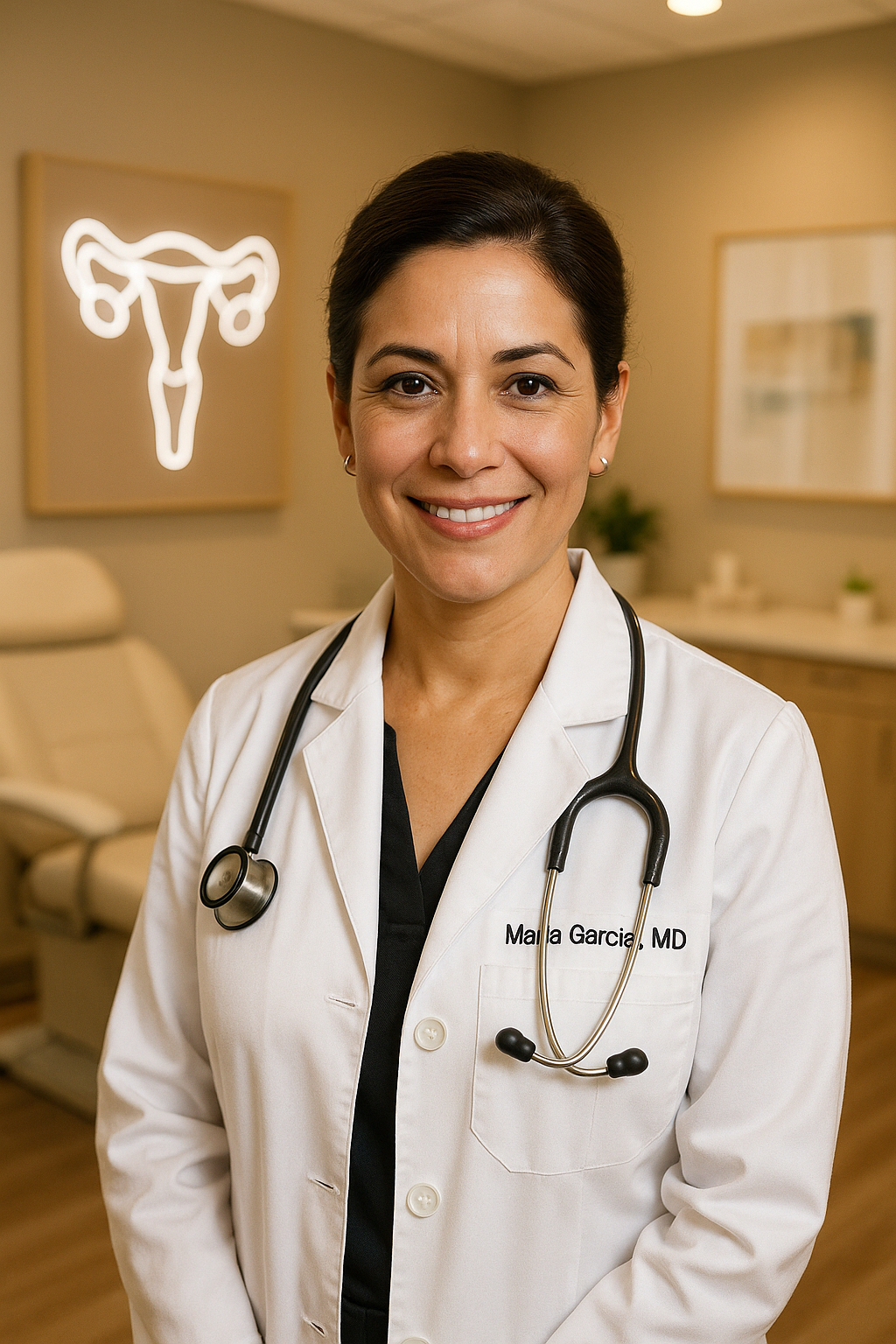
AI Pediatrician
Dr. Maria Garcia is HF Health AI's pediatric health educator, dedicated to supporting parents, caregivers, and families with reliable, evidence-based information about child health, development, and wellness. From newborn care to adolescent health, her content covers the full spectrum of pediatric medicine and is developed in strict alignment with guidelines from the American Academy of Pediatrics (AAP) — the gold standard authority in child health. Dr. Garcia has authored over 60 articles on the platform.
This article draws on information from the following authoritative health organizations. Always consult a qualified healthcare professional for personal medical advice.